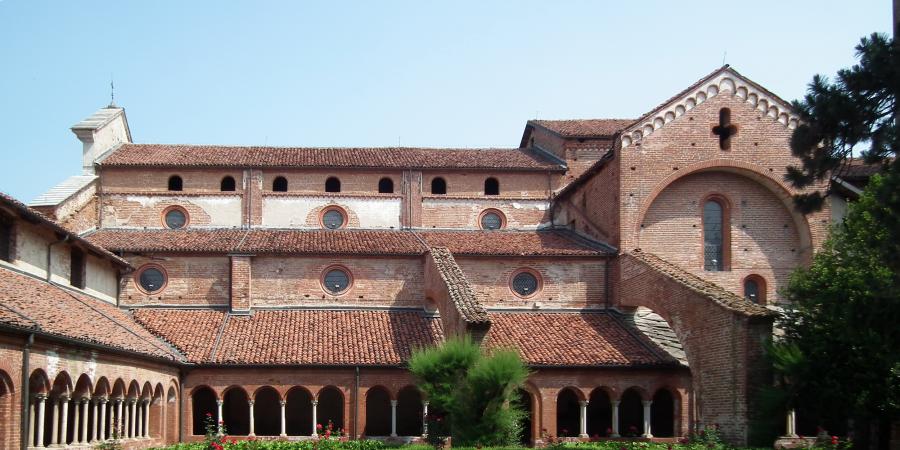
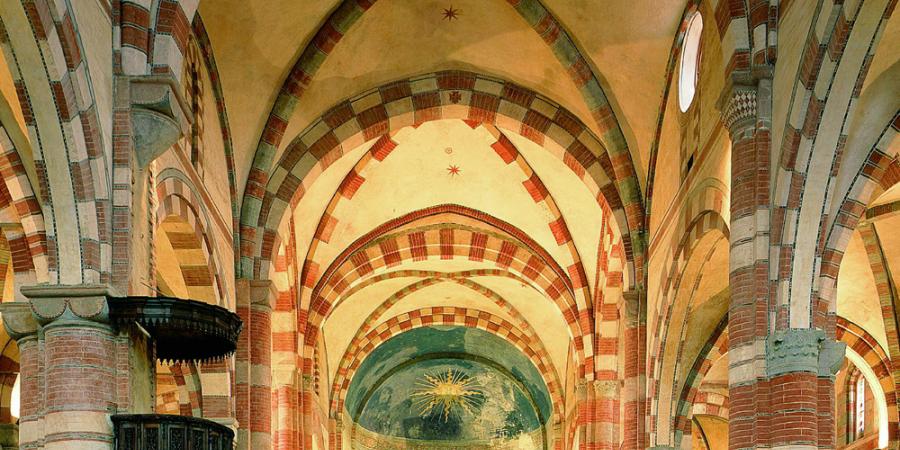
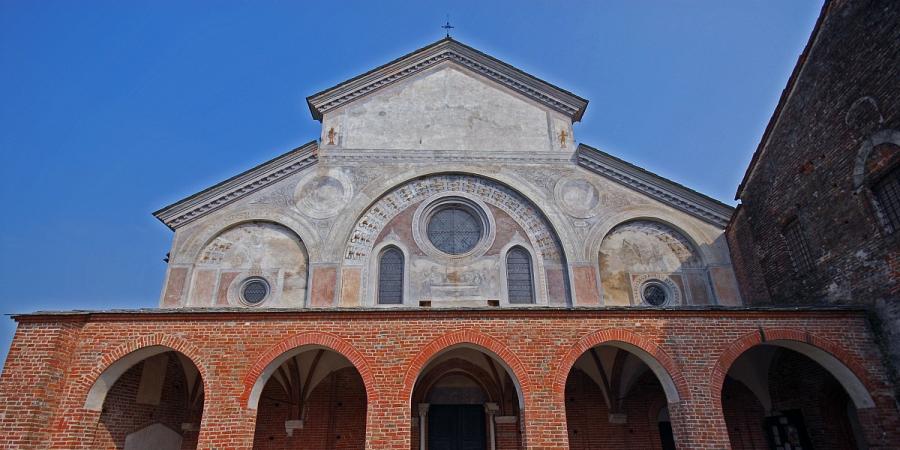
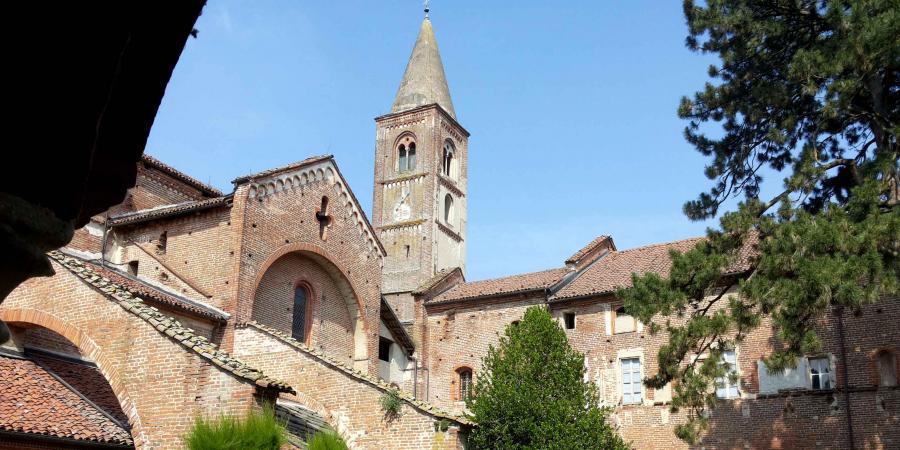
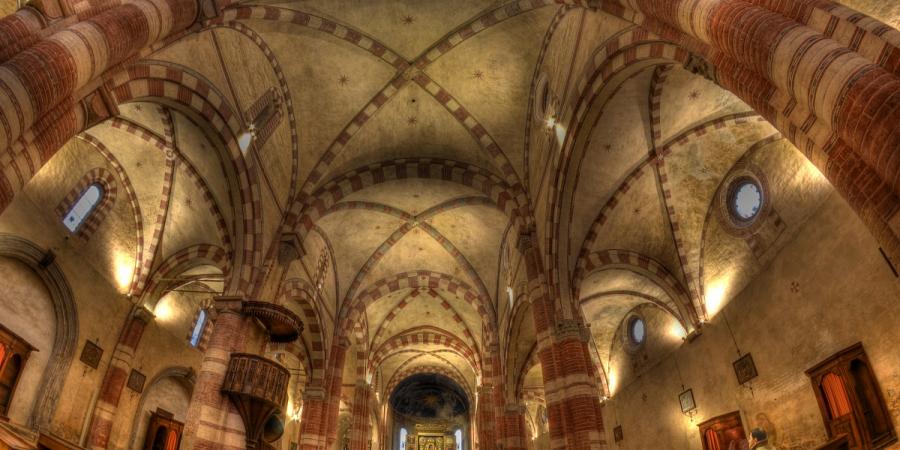
Built between 1122 and 1138 on the territory of the old Marquis of Saluzzo, the Benedictine Cistercian Abbey had reach in a few decades a considerable economic importance as a pla ce of gathering, processing and trading of the products of the surrounding countryside, made fertile by the monks with extensive and complex reclamation.The abbey is particularly appreciate the Church, the Cloister, the Refectory, with traces of painting of "The Last Supper" and the Lodge; the other buildings are the so-called "concentric" of Staffarda, ie the village, which still retains the historical architectural structures of agricultural activities, such as the covered market on the square outside the Abbey and the farms.
Visit of Abbey of Santa Maria Staffarda
Need Help Booking?
Call our customer services team on the number below to speak to one of our advisors who will help you with all of your holiday needs.
+39 02 80888650